


Effective Fire Safety Management Strategies

Fire safety planning is essential for every business and property manager. It helps you protect lives, reduce risks, and meet your legal duties without stress or confusion. I want to share practical strategies that you can use to create a safer environment. These steps are straightforward and effective, so you can feel confident in your fire safety approach.
Why Fire Safety Planning Matters
Fire safety planning is not just about ticking boxes. It’s about understanding the risks and taking clear actions to prevent fires and respond quickly if one occurs. When you plan well, you reduce the chance of injury, damage, and costly downtime.
Here’s why fire safety planning is crucial:
Protects lives: Your first priority is to keep everyone safe.
Meets legal requirements: Fire safety laws require you to have a plan.
Minimises damage: Quick action can stop a fire from spreading.
Reduces stress: Knowing what to do in an emergency helps everyone stay calm.
A good plan includes clear roles, regular training, and proper equipment. It also means reviewing and updating your plan regularly.

How to Create a Fire Safety Plan That Works
Creating a fire safety plan might seem overwhelming, but breaking it down into simple steps makes it manageable. Here’s how you can start:
Identify fire hazards
Walk through your property and note anything that could cause a fire. This might include faulty wiring, flammable materials, or overloaded sockets.
Assess risks
Think about who might be at risk and how a fire could spread. Consider staff, visitors, and the building layout.
Set up fire detection and alarms
Make sure smoke detectors and alarms are installed and tested regularly. They are your first line of defence.
Plan escape routes
Mark clear, accessible escape routes. Keep them free from obstructions and ensure everyone knows where they lead.
Assign responsibilities
Designate fire wardens or responsible persons to lead evacuations and check safety equipment.
Train your team
Regular fire drills and training sessions help everyone understand their role and stay prepared.
Maintain equipment
Check fire extinguishers, alarms, and emergency lighting regularly to ensure they work when needed.
Document your plan
Write down your fire safety procedures and keep them accessible. This helps with training and compliance.
By following these steps, you create a clear, actionable plan that protects your property and people.
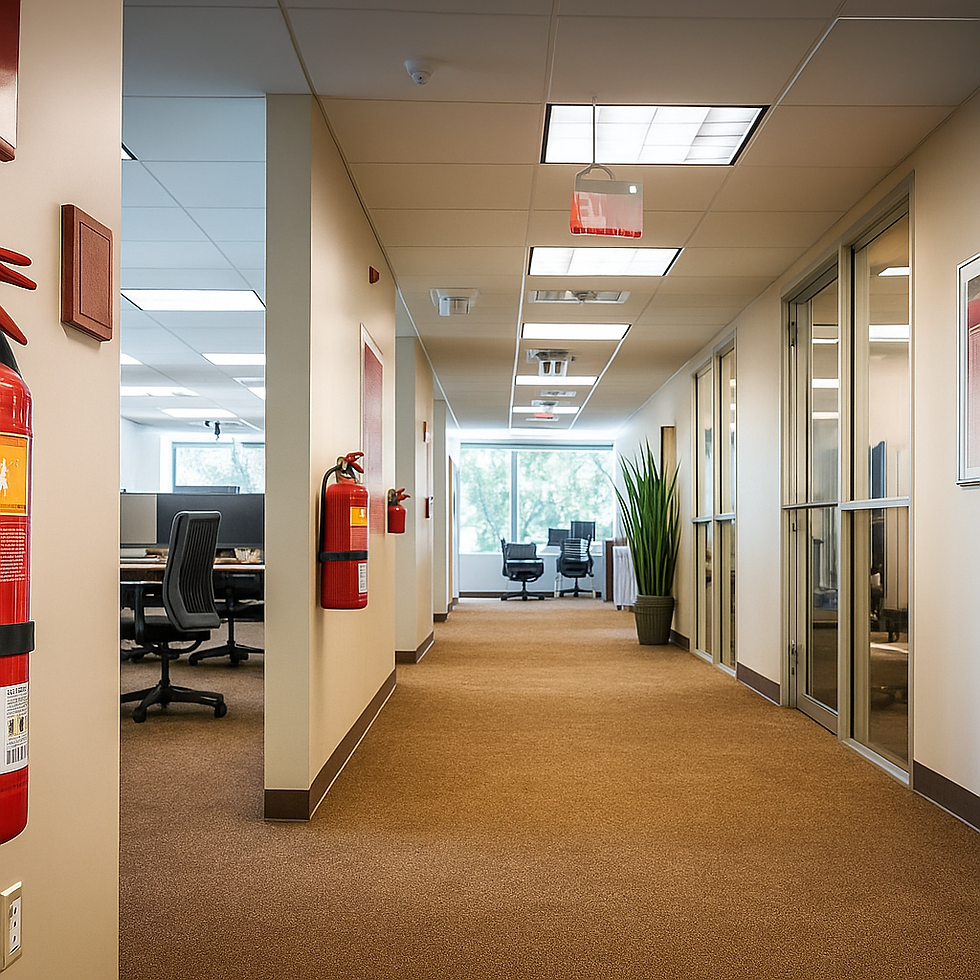
What is fire and safety management?
Fire and safety management is the ongoing process of identifying risks, implementing controls, and ensuring compliance with fire safety laws. It involves more than just having a plan - it means actively managing fire safety every day.
This includes:
Regular risk assessments
Staff training and awareness
Maintenance of fire safety equipment
Keeping up to date with legal requirements
Coordinating with fire services when needed
Effective fire and safety management helps prevent fires and ensures a swift, organised response if one happens. It’s a continuous cycle of improvement and vigilance.
If you want to learn more about how to manage fire safety effectively, check out this resource on fire safety management.

Practical Tips for Maintaining Fire Safety Compliance
Staying compliant with fire safety regulations can feel like a challenge, but it doesn’t have to be complicated. Here are some practical tips to keep you on track:
Schedule regular fire risk assessments
Don’t wait for an inspection. Plan assessments at least once a year or when changes occur.
Keep records
Document all training, maintenance, and inspections. This shows you take fire safety seriously.
Use clear signage
Mark fire exits, assembly points, and equipment locations clearly.
Engage your team
Encourage everyone to report hazards and participate in drills.
Review your plan after incidents
If a fire or near miss happens, update your plan to prevent repeats.
Work with experts
Consider partnering with fire safety professionals who understand local laws and can guide you.
By following these tips, you’ll build a culture of safety that protects your property and people.
Building a Fire-Safe Environment Every Day
Fire safety is not a one-time task. It’s about creating habits and systems that keep your environment safe every day. Here’s how you can embed fire safety into your routine:
Start meetings with a safety reminder
A quick note about fire safety keeps it top of mind.
Check escape routes daily
Make sure nothing blocks exits or corridors.
Test alarms monthly
Regular testing ensures they work when needed.
Rotate fire warden duties
This keeps everyone involved and aware.
Celebrate safety milestones
Recognise your team’s efforts to encourage ongoing commitment.
Remember, fire safety planning is about protecting what matters most. When you take these steps, you reduce risks and create a safer place for everyone.
By focusing on clear, practical strategies, you can confidently manage fire safety and compliance. If you want expert support, 20a Limited is here to help businesses and property managers in Wales and SW England meet their legal duties without stress or jargon. Together, we can make fire safety simple and effective.



Comments